
Navigating Recruitment as a Racialized Student
by Shanze Mirza
- 2024-2025 Issue
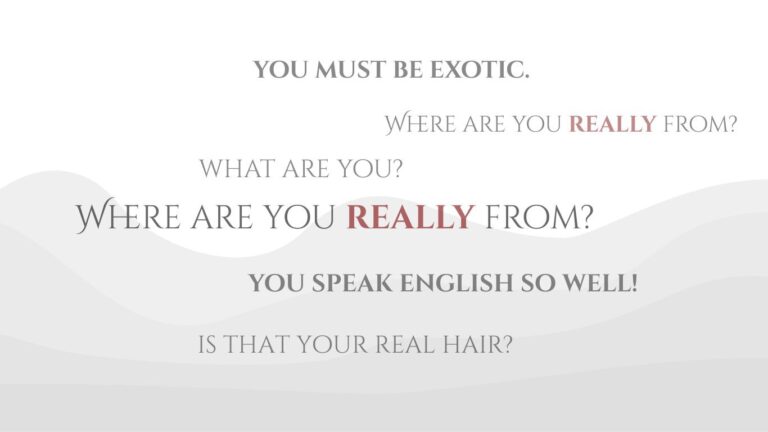
“The 17-minute OCI interview is already overwhelming enough for any student, but for racialized students like myself, the process carries additional complexities that go beyond the normal anxieties of job hunting. While I speak primarily from my own experiences about the challenges that I faced, I do feel that these experiences are likely to resonate with others. Through conversations with peers from various racialized backgrounds, I’ve seen themes of bias, code-switching, and the burden of representing diversity repeated across experiences.”
Names, whether consciously or not, play a significant role in the recruitment process for POC candidates. A friend of mine pointed out that her Arabic name immediately signals her ethnicity to potential employers. This prompted me to reflect on how names, as indicators of our identity, might influence perceptions during recruitment.
Whether we realize it or not, our names shape how we are received. The truth is, we don’t know who’s on the other side of the hiring process, who will be conducting our interviews, what they think of our backgrounds, or what biases and preconceived notions they might hold about our ethnic backgrounds.
The Weight of Code Switching
Code-switching is another theme that often comes up in conversations. It refers to adjusting the way we present ourselves—our speech patterns, demeanor, and even expressions— to align more closely with the predominantly white culture of a space. For many POC, it’s a survival mechanism to avoid being perceived as “less professional” or different. This constant self-monitoring arises from the uncertainty of how a white interviewer or colleague might perceive us, making code-switching frustrating but often necessary in professional environments. During the recruitment process, this might mean downplaying certain aspects of our identity or cultural background to fit into what is perceived as “professional.” For me, this was a constant balancing act.
I wanted to remain authentic, but I also worried about standing out in a way that could be perceived negatively. This is an interesting paradox because firms often emphasize the importance of being yourself and showing authenticity, yet for POC candidates, doing so
can feel like a risk.
Code-switching is exhausting. It requires us to manage not just how we present ourselves but also how we are perceived, all while trying to excel in a high-pressure interview setting. This additional layer of effort underscores how different the recruitment experience can be for POC candidates compared to their white peers.
Masking Identity
vs.
Being Authentic
One of the most difficult decisions during the process as a racialized candidate was determining how much of my identity to share during recruitment. Throughout the process, I struggled with the competing interests of blending in by downplaying my background, and challenging default assumptions by embracing my identity and being honest about the struggles of a racialized student in law.
(cont.) For me, this balancing of competing interests loomed large throughout the process, and I still don’t know what the right approach is. I wanted to showcase the unique perspectives my identity brings to the table, but I also worried about being perceived as overly focused on race or culture. It often felt like a daunting task to balance trying to remain authentic while navigating the fear of being misunderstood or judged.
Some racialized students, however, take a different approach. A friend shared that she is very open and honest about her identity during interviews, speaking candidly about the challenges of being a racialized person in the legal profession. While this approach can challenge the status quo, it’s not without its risks. For example, my friend mentioned that her openness about race during interviews can lead to mixed reactions from interviewers. While some appreciated the candor, others seemed uncomfortable or disengaged.
There is no right or wrong answer about how to approach interviews as a racialized candidate. However, I think being open requires a certain level of confidence to handle potential rejection. This is why racialized candidates, myself included, might feel an added pressure to carefully curate our answers to avoid alienating potential employers, even when doing so means sacrificing some authenticity.
The Burden of Diversity Questions
Firms have a tendency to place the burden of addressing diversity and inclusion on POC candidates during the recruitment process, which I found to be one of the most frustrating aspects. My peers and I have been asked questions like, “What does diversity and inclusion mean to you?” While these questions might appear well-intentioned, I found them performative, particularly when coming from firms that have predominantly white staff. The irony of these questions is difficult to ignore. I find it problematic to shift the responsibility of defining diversity to the very individuals most affected by its absence.
For me, these moments often felt like a test of how “safe” or “palatable” my answers would be. I wanted to challenge the status quo by addressing the lack of meaningful diversity in the firm’s hiring practices. However, I feared that being too vocal might alienate potential employers who were uncomfortable with such discussions or unwilling to confront them, making it difficult to fully express myself. This tension highlights how the recruitment process often forces POC candidates to carefully navigate conversations about race and inclusion in a way our white peers may not.
Beyond the Recruit
The recruitment process for POC law students is about much more than landing a job; it’s about navigating a system filled with unique challenges that go beyond those faced by our white peers. While I cannot change the systemic inequities within the recruitment process,
I hope that sharing my experience lets others know they are not alone.
I do not wish to generalize or assume that my challenges are universal, as I understand every journey is deeply personal and context-dependent. By focusing on my story, I hope to highlight issues that resonate with others while respecting the diversity of experiences within the POC community. More importantly, I want to remind racialized students that their worth is not determined by the outcome of the recruitment process. Simply continuing to push forward, carving out space for yourself in predominantly white environments, is an accomplishment in itself.
Through conversations with other POC students, I’ve learned that these experiences, while varied, often reveal shared themes. Yet, we all bring unique perspectives to the table, and the ability to persevere through these hurdles is a testament to our resilience and determination.